



The Sustainability Imperative
As organizations struggle to define a strategy that balances purpose and profit, opportunities are increasingly emerging to take the lead in sustainability initiatives. Front-line advances in areas such as net-zero emissions, AI-powered solutions for the underserved, precision agriculture, digital healthcare, and more are delivering business benefits, while simultaneously contributing to the realization of the UN’s 17 SDGs. We provide the expert thinking, debate, and guidance to help your organization reposition and transform in the era of sustainability.
Insight
Nature shrinks as capital grows. The growth of the market cannot solve the very crisis it creates.
-- Vandana Shiva (in Soil Not Oil: Environmental Justice in an Age of Climate Crisis)[1]


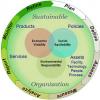
Executive Report
Architecture for the Sustainable Enterprise
More and more enterprises are exploring how to become green and sustainable. Yet the terminology and methods for doing so are often confusing and inconsistent throughout the enterprise. What do we mean by "green?" What do we mean by "sustainable?" Can we truly incorporate greenness throughout our business in a systematic way, or will it be an ad hoc approach? This Executive Report by Michael Rosen, Harsh Sharma, and Tamar Krichevsky focuses on how architecture can lead the way to real changes in an organization.
This Summary and the accompanying Executive Report focus on how architecture can lead the way to real changes in an organization as more and more enterprises are exploring how to become green and sustainable.

What do we mean by green computing or sustainability? Does it mean a focus on energy efficiency in the data center through less heat-producing and lower power-consumption server blades? Is it virtualization and shifting computing into the cloud to reduce carbon footprint or reducing paper consumption through new paperless processes?
