



The Sustainability Imperative
As organizations struggle to define a strategy that balances purpose and profit, opportunities are increasingly emerging to take the lead in sustainability initiatives. Front-line advances in areas such as net-zero emissions, AI-powered solutions for the underserved, precision agriculture, digital healthcare, and more are delivering business benefits, while simultaneously contributing to the realization of the UN’s 17 SDGs. We provide the expert thinking, debate, and guidance to help your organization reposition and transform in the era of sustainability.
Insight
Mark Lee gets specific about how pandemics should solve long-term work-from-home (WFH) problems. He discusses why VPNs are problematic, how they can — and should — be replaced, and why we need a long-term WFH strategy.


This article describes the transition from a traditional HR world to one that fits the new culture of the Agile organization. Explore the shifts in recruiting, appraisals and reviews, salaries, and career tracks, and the difficulties facing anyone embarking on the Agile path.


Agile is never done. Without a conscious commitment to sustaining new ways of working, teams can fall back into old habits. Plus, staff turnover or growth brings in individuals who weren’t part of the original shared commitments. Naysayers find evidence that something’s not working — one more reason to subvert change.

As companies evolve through the stages of increasing agility, the work of HR changes as well. At each stage, there are new priorities and new hurdles that should be both expected and managed.


Matthew Gelbwaks describes the use of Agile techniques in handling the question of succession of power at the end of Robert Mugabe’s reign in Zimbabwe.



The challenge of digitalization (which is the main disruptive force pushing enterprise Agile transformation) requires companies to acknowledge that the rate of learning is more important than the return on investment. So the ability to produce continuous learning is today’s main currency. In this Advisor, we share some thoughts on encouraging a scientific approach to ensuring continuous, long-term learning and improvement.
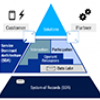

In this article, we reflect on the experiences gained in the digital transformation of a traditional insurance company in Germany.


The new generation is looking for life-work balance as well as inspiring leaders who will fire them up and motivate them. In the new workplace, company values actually need to mean something. People need to see their leaders living and breathing these values every day.